What is a medical prototype?
It is a physical, functional representation of an innovative healthcare product that lets you validate its design, operation and safety before industrializing it. Biomedical prototypes aim to make medical procedures or their use more efficient, and add unique value to the safety of healthcare staff and patients.
For a cost and timeline reference, use the prototype price calculator.
We will assess with you how to turn it into a functional prototype.
Design and manufacturing of medical prototypes
We develop healthcare products with a high degree of innovation, most aimed at simplifying procedures or making them safer. We work with universities, research teams, hospital staff and individual inventors, at any stage of development.
Electronic Medical Prototype
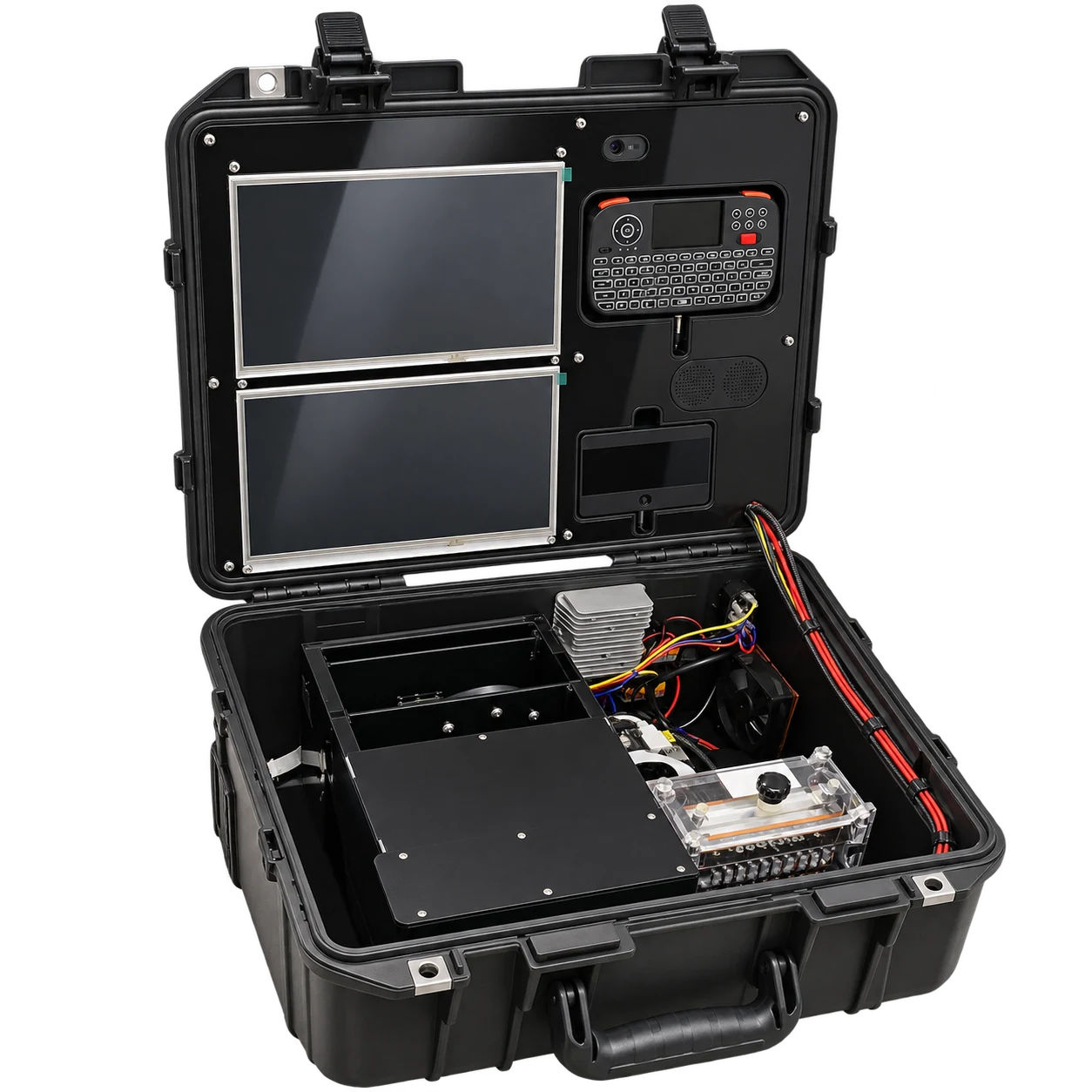
Devices with electronics and firmware for preparing medication and other procedures. More in electronic prototypes.
Mechanical medical device
Development of devices to improve processes such as childbirth, with mechanical design and high-complexity manufacturing.
Sustainable medical prototype
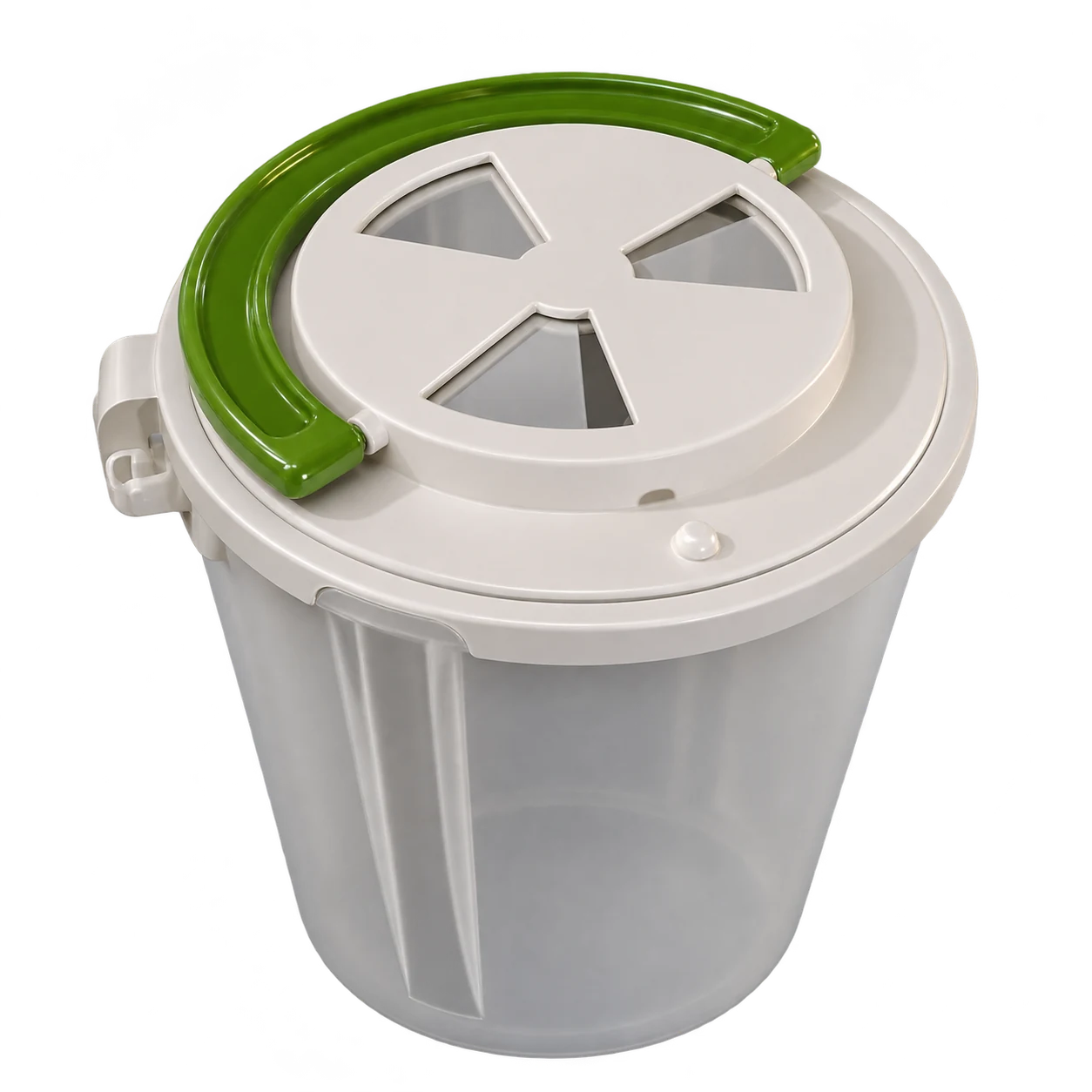
Devices for managing waste with a risk of biological contamination. More in sustainable products.
IoT medical devices
Connected equipment that records and sends data. More in IoT prototypes.
How we can help with your healthcare product
- Consulting and innovation. Joint search for technological solutions that improve standardized medical procedures or make them safer through innovative designs.
- Manufacturing medical prototypes. Technical capability and experience for high-complexity prototypes. We know part of the sector’s regulations, rely on collaborations with certified laboratories and prepare the devices for the tests their regulation requires.
- Intellectual property protection. Once feasibility is proven, we help you plan a strategy to protect the invention. See the invention patents guide.
- Industrial manufacturing. We have worked with leading companies in biomedical product manufacturing, mainly with electronics and mechanical solutions, and we support you throughout the process.
What is biomedical engineering and what is it for?
Biomedical engineering brings together the techniques for developing innovative medical prototypes and the regulatory restrictions that shape healthcare product development. It ranges from mechanical design and manufacturing to behavior simulation, electronic design, regulatory limitations and material compatibility.
What certifications do medical devices need?
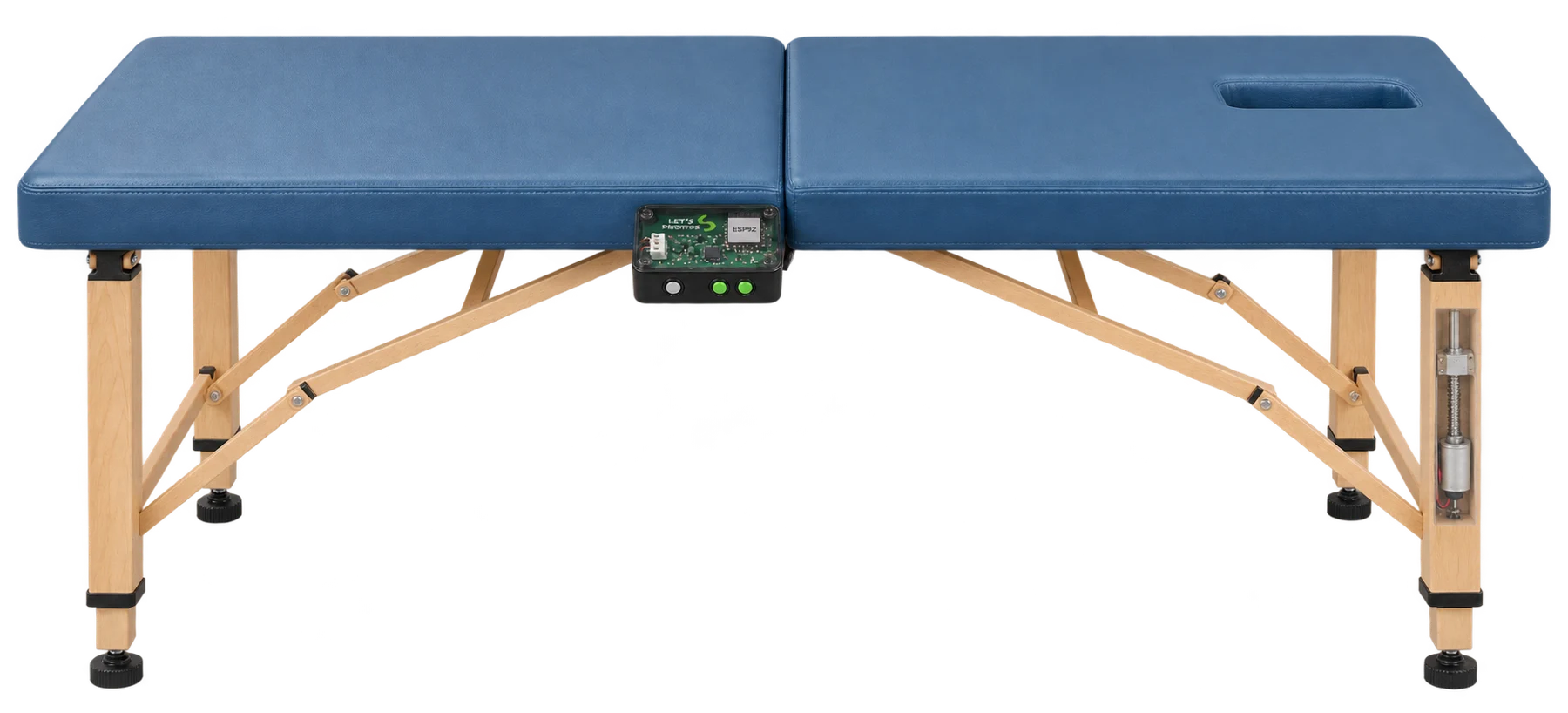
Healthcare products are strictly regulated to standardize safety levels. Regulation is broader or narrower depending on the product category, which is defined by the risk of its use: the rules for a portable rehabilitation stretcher have nothing to do with those for an endotracheal tube that stays inside the body.
European Union
Healthcare products are governed by Regulation (EU) 2017/745 (MDR), and in vitro diagnostic products by Regulation (EU) 2017/746 (IVDR), with CE marking according to their risk class.
USA
Medical devices are regulated by the FDA (Food and Drug Administration), which classifies them by risk and requires different authorization pathways depending on their class.
Certification applies to the final product, not to the prototype. A well-documented prototype designed with the regulations in mind from the start reduces risks in that later phase.
Why is developing medical prototypes complex?
Innovation always involves uncertainty. In medical development, besides finding optimal solutions, you must take into account regulations, biocompatible and hypoallergenic materials, safety standards and a long list of restrictions that multiplies that uncertainty. A team without biomedical development experience can make the path longer and more expensive.
Biomedical product prototypes we have developed
Open each page to see the process and capabilities.


Frequently asked questions about medical prototypes
What is a medical prototype?
It is a physical, functional representation of an innovative healthcare product that lets you validate its design and safety before industrializing it.
What is biomedical engineering?
It is the discipline that brings together the techniques for developing innovative medical prototypes: mechanical design, manufacturing, simulation, electronics, regulations and material compatibility.
What certifications do medical devices need?
It depends on the risk category. In the European Union, the MDR (2017/745) and IVDR (2017/746) regulations apply with CE marking, and in the United States, FDA regulation. Certification applies to the final product.
Are European certifications valid in the United States?
Not automatically. In the United States, medical devices must meet FDA requirements, which are a different process from European CE marking.
Why is developing a medical prototype complex?
Because on top of the uncertainty inherent to innovation come regulations, biocompatible and hypoallergenic materials and safety standards.
How much does a medical prototype cost and how long does it take?
It depends on mechanical, electronic and software complexity and on the product category. For a reference, use the prototype price calculator.
 Talk to Let’s Prototype’s technical leadIván Bedia García · CEO & Technical lead