How do you develop a machine learning prototype for sport?
It combines sensors in a wearable, a custom mathematical model trained with data from correct movements and an app that shows the athlete and the coach the comparison and feedback. Without well-captured data and the guidance of sports experts, the model cannot diagnose or predict reliably.
As a reference, a machine learning model to detect and diagnose the movement of a limb costs about 30.000 € and an AI prototype usually takes 5–6 months. More in the guide to AI product development and on the prototype price calculator.
We assess with you which sensors and which data would be needed.
What is machine learning and what types are there?
Machine learning is a type of artificial intelligence: a machine learns through trained algorithms that gain richness over time.
Supervised
Algorithms trained with input data and the correct results. The machine learns to identify correct results from the combinations of data it receives. It is the one we use in sport.
Unsupervised
It is based on input data and the ability to interpret patterns. It is not trained on which results are right or wrong.
Reinforcement
Systems that learn through cycles of trial and error. Very useful in robots with complex functions.
Machine learning prototypes for sport
A machine learning prototype should be seen as a complex process where advanced mathematical models, technology, electronics and, above all, the expertise of specialists in the sector you want to innovate in all come together. You cannot create a product that diagnoses and predicts if the model has not been trained with a correct pattern, conditioned by experts.
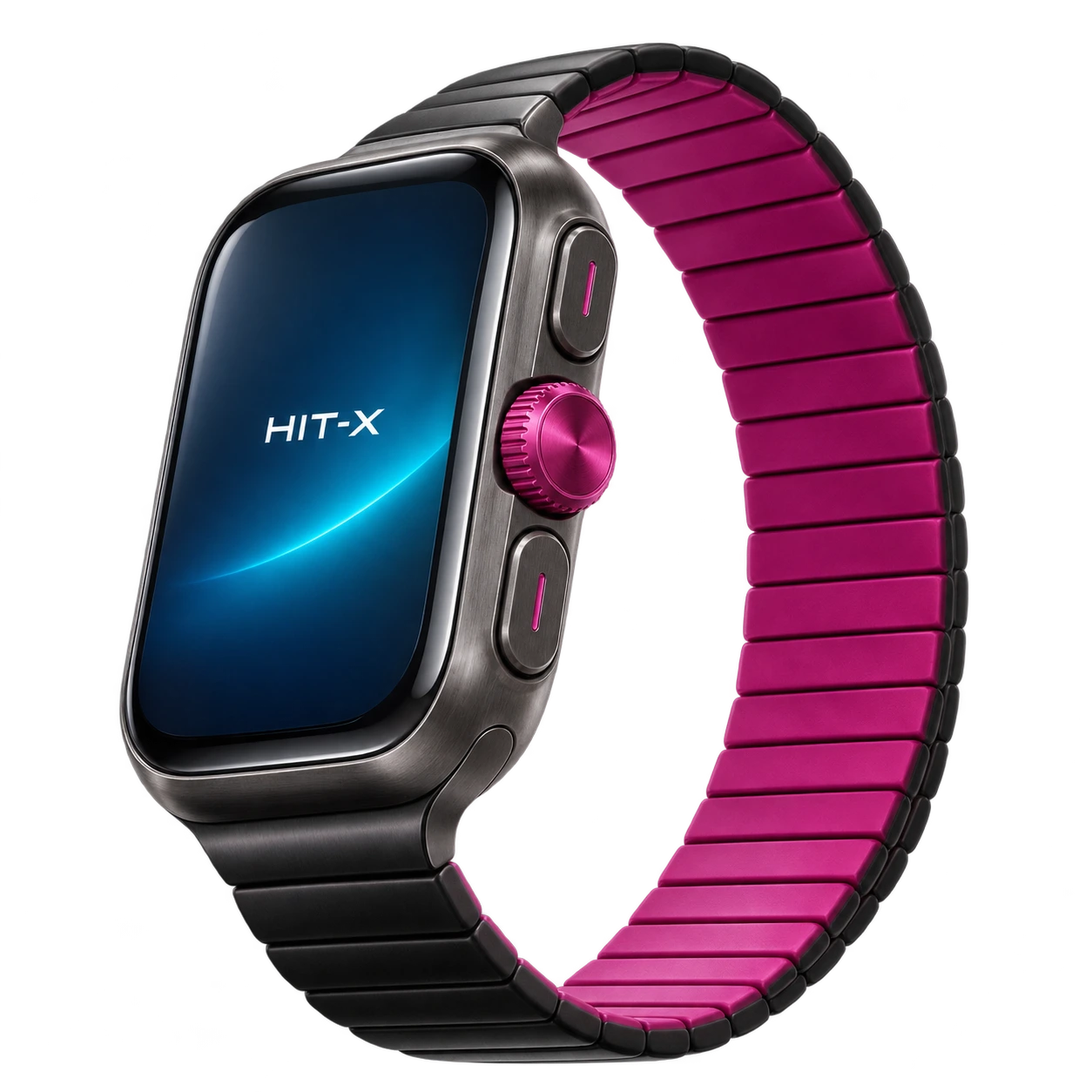
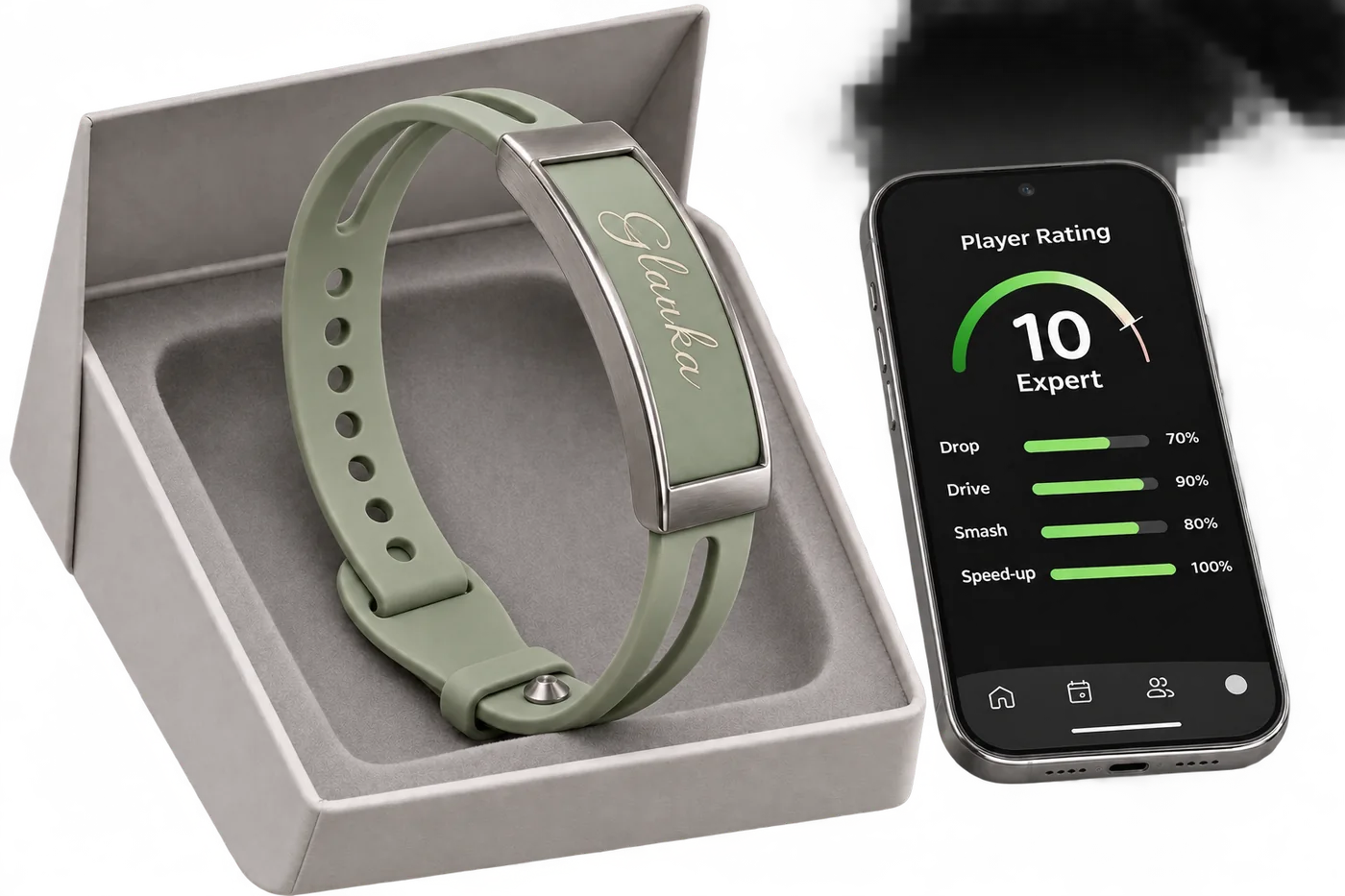
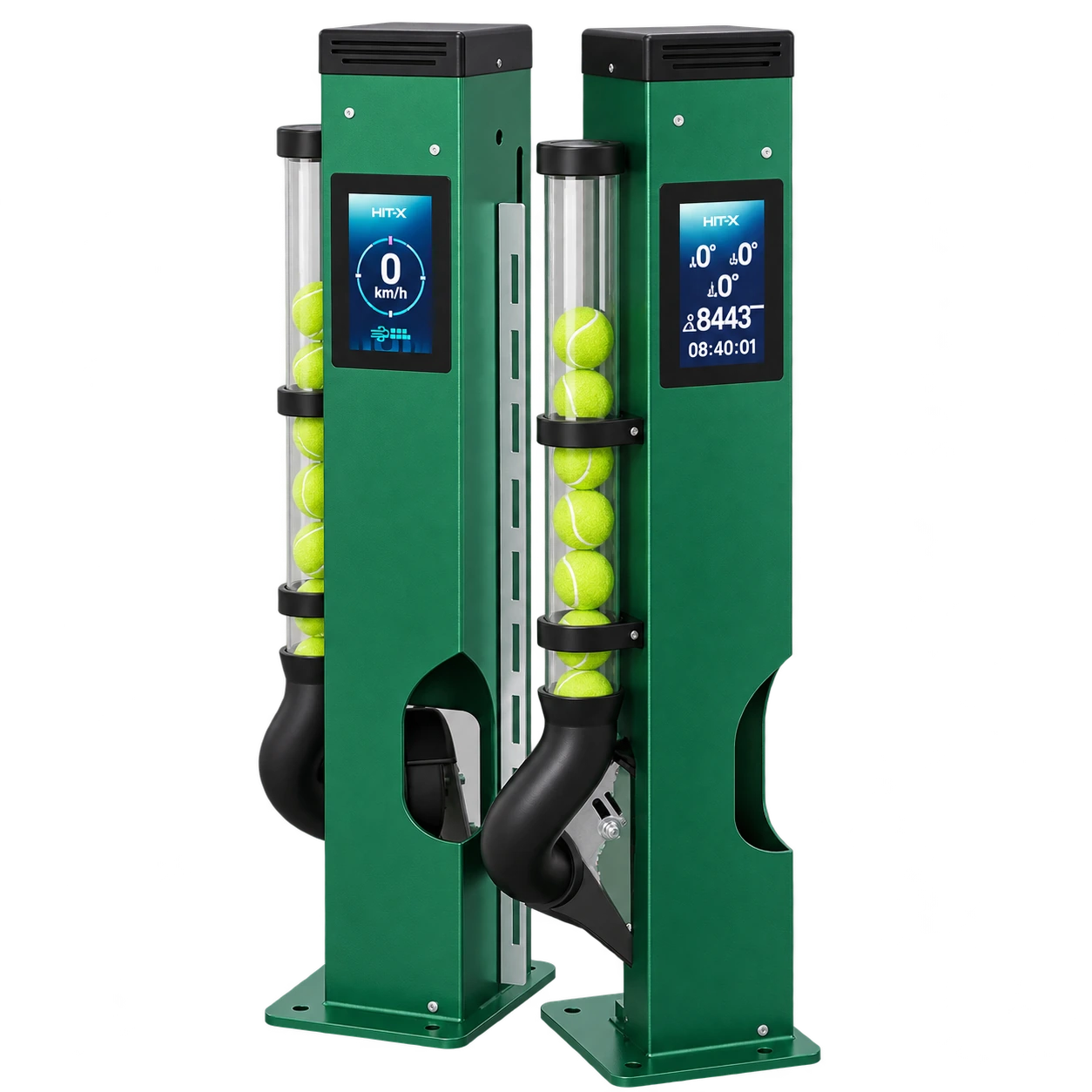
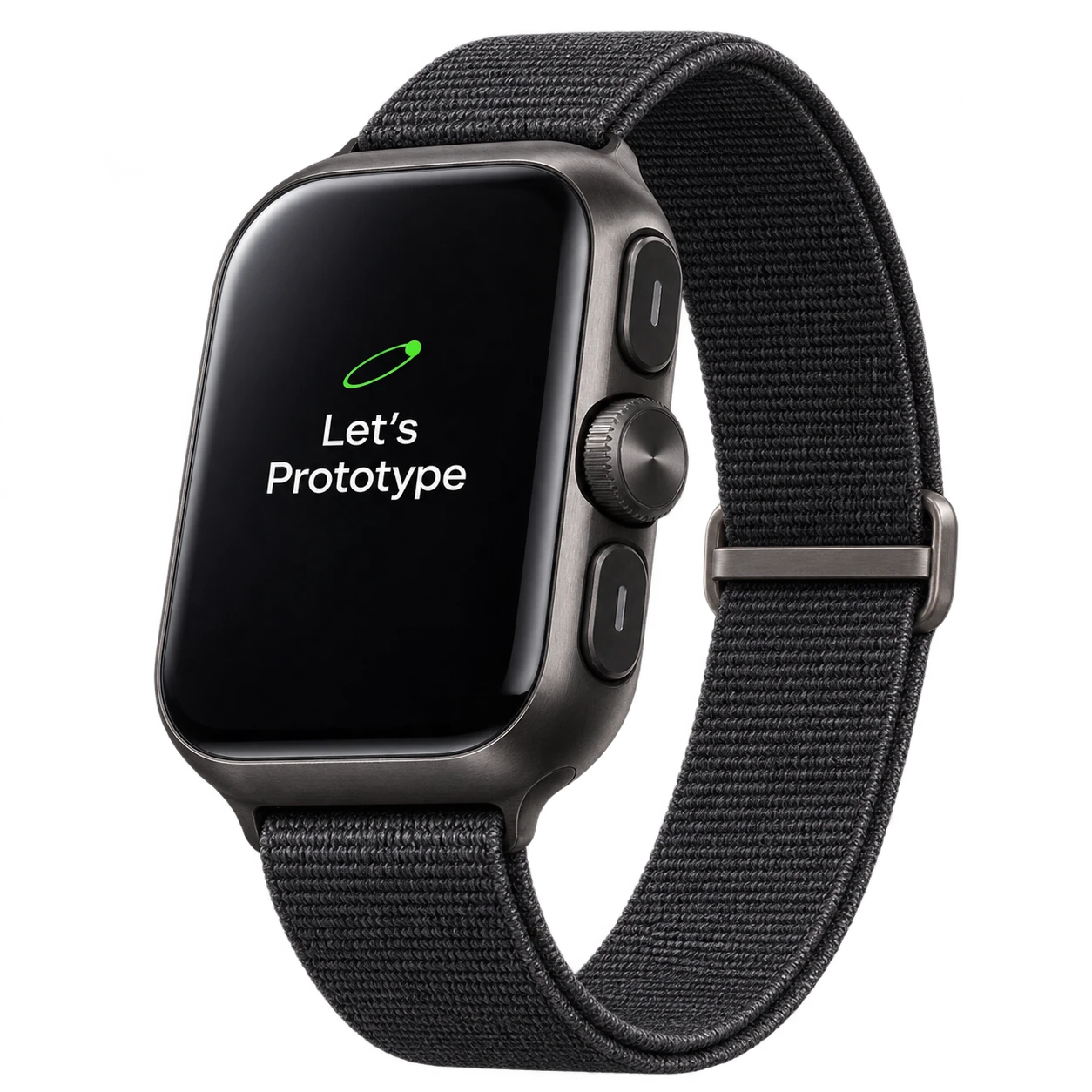
Our smart wristbands for racket sports have been trained with supervised machine learning. The wearable identifies different types of technical strokes and sends them in an orderly way to a mobile app. Our main clients for custom IoT products and wearables are sports companies that want to stand out with smart products. See the Hit-X universe for padel and the wearable prototypes.
Baseball case: machine learning to analyze the swing
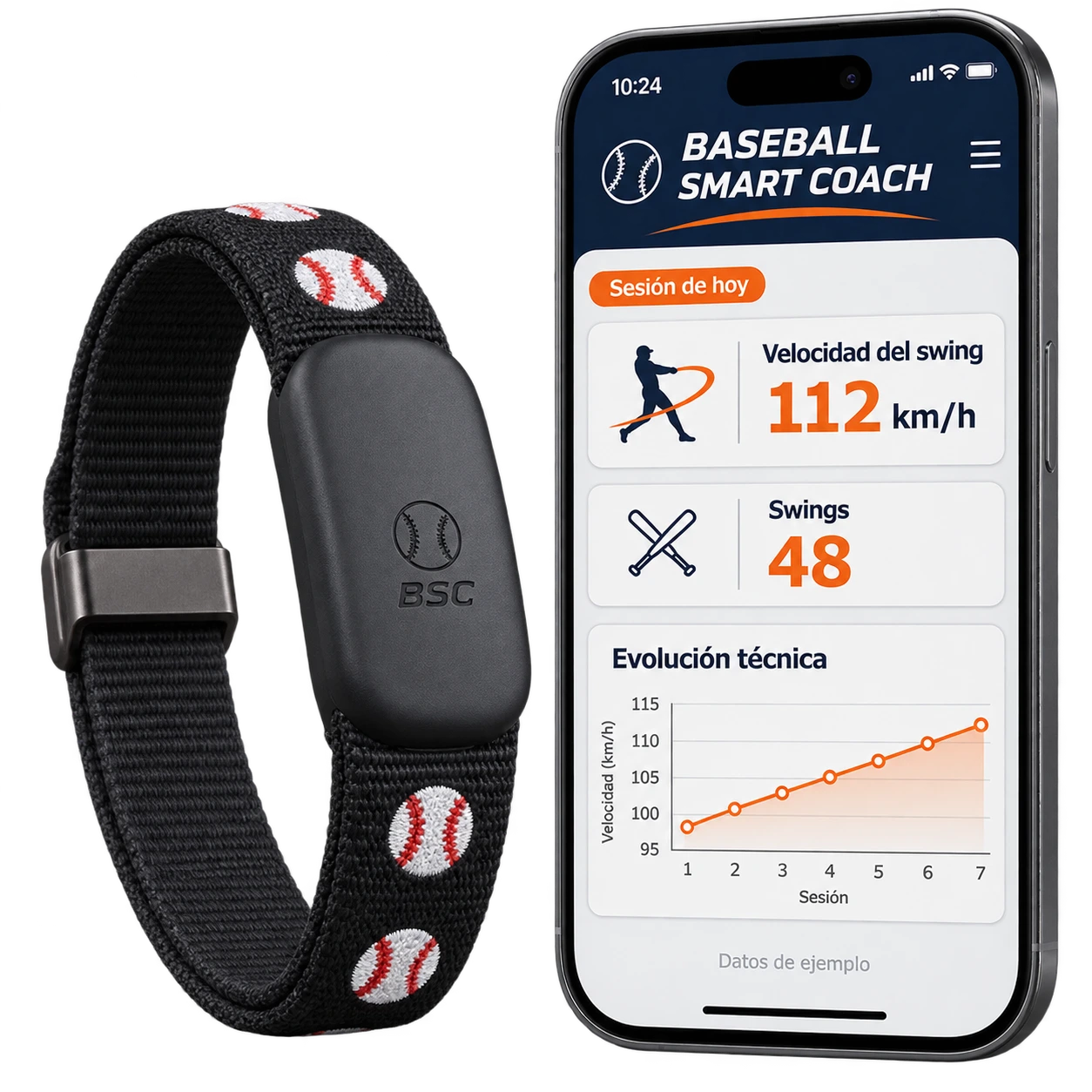
The inventors wanted a novel, cheap product offering a quantitative analysis of the batter’s swing in different scenarios, to study their movements and give instructions that correct bad habits. It is a frequent goal in our IoT products with machine learning for racket sports such as tennis and padel.
We proposed a wristband that manages a group of sensors giving precise clues about the path of the movement. A custom app also collects personal and physical data, such as weight, to complete each athlete’s pattern. Once the model is calibrated, the correct movements are parameterized and the batter’s are compared with those of players with very similar physical characteristics who achieve relevant results. In the app, users and coaches see graphically the differences and the percentage of similarity with professionals. See Baseball Smart Coach.
“Developing quality machine learning prototypes requires a highly skilled team, specialized in mathematics, electronics, industrial design, mechanical engineering, software programming and telecommunications. Trying to build them without these professionals only leads to an uncompetitive proposal with little chance of success.”
Erick Remedios, Business Development Director at Let’s Prototype
IoT and machine learning. An IoT device connects to the cloud and sends the data captured in the field. With reliable data on a server, the system compares it with correct pre-recorded movements and returns real-time feedback to athletes and coaches. More in IoT prototypes.
5 keys to the machine learning stage in a prototype
Learned from sports projects such as the baseball one.
- Multimodal data. Data from different sources within the same hardware architecture improves the model. In baseball, the physical data requested by the app and the environmental data captured by the wristband were key.
- Dynamic machine learning. If the model must adapt to each user according to their diagnoses, we develop deep learning models with recurrent neural networks (RNN).
- Predictive models. With the data already collected, we identify moments of greater or lesser concentration and the ideal ones for peak performance. Coaches correct movements and also choose whom to rely on depending on conditions.
- Real-time results. The model must respond immediately. We experiment beforehand to set the hardware latency, before collecting the training data.
- Phase-by-phase analysis. Splitting the movement into preparation, contact and follow-through gives more specific comparisons and allows correcting it partially and progressively.
Prior analysis before developing the algorithm
Before proposing a machine learning model for sport there are decisions to be made jointly and after some experiments. That research lets you create products of real value and truly differentiate from the competition.
In the baseball case, the client’s innovation department was clear it wanted to analyze movement with data from the batter’s arms, but had not foreseen that capturing and cleaning the data by stages of the movement would increase the model’s reliability by more than 80% . We demonstrated it with the first version of the functional prototype.
In addition, the non-technological conversation with experts defines quantifiable parameters that give more reliability and enable predictive systems.
Examples of sports products with machine learning
Open each page to see the process and capabilities.
Frequently asked questions about machine learning prototypes for sport
What is machine learning?
It is a type of artificial intelligence in which a machine learns through trained algorithms that can gain richness over time. The main types are supervised, unsupervised and reinforcement.
What type of machine learning is used in sports wearables?
Mainly supervised machine learning: it is trained with movement data and their correct results to identify gestures such as padel strokes or the baseball swing. If the model must adapt to each user, deep learning models with recurrent neural networks are used.
How much does a machine learning model for a wearable cost?
As a reference, a machine learning model to detect and diagnose the movement of a limb costs about €30,000. For the complete prototype, use the prototype price calculator.
How long does a machine learning prototype take?
An AI prototype usually takes between 5 and 6 months: about 3 months of data collection, 1 month of training and theoretical validation and 1 month of deployment and practical validation.
What team does a machine learning prototype need?
A team specialized in mathematics, electronics, industrial design, mechanical engineering, software programming and telecommunications, together with sports experts who shape the training pattern.
Why is prior data analysis important?
Because decisions such as capturing and cleaning the data by movement phase can greatly improve reliability. In the baseball case it increased it by more than 80%, according to the first version of the functional prototype.
Can the model give real-time results?
Yes, and it is key in most sports projects. A prior experimental analysis is done to set the hardware latency before collecting the training data.
 Talk to Let’s Prototype’s technical leadIván Bedia García · CEO & Technical lead