Neurobia Research: stroke rehabilitation with virtual reality and motion tracking
Medical product with virtual reality and machine learning to assess and rehabilitate patients’ motor condition after a stroke.
The price includes design, functional prototyping, product testing and optimization.
Why develop a rehabilitation product with virtual reality?
Objective assessment
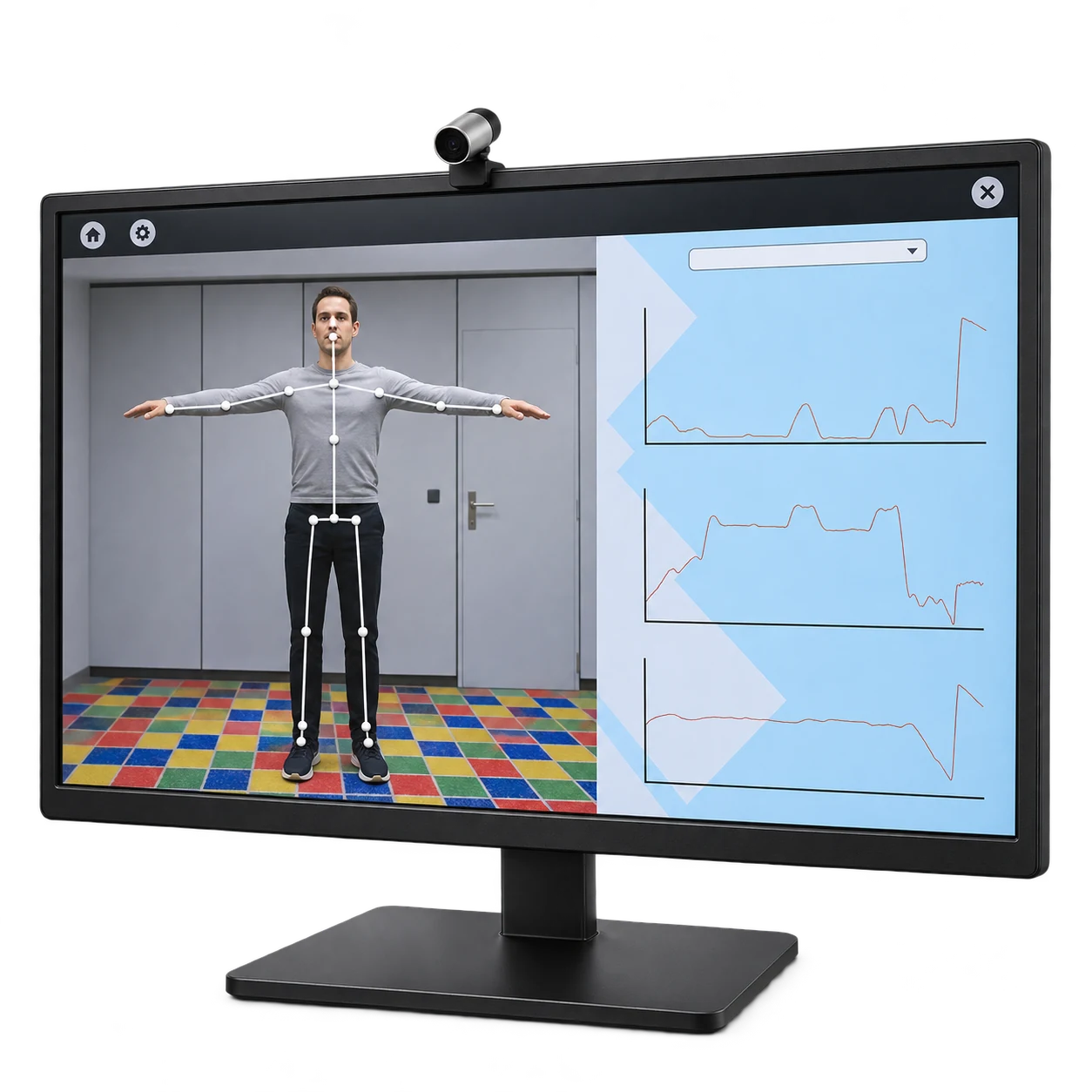
Motor assessment after a stroke relied on subjective observation; the sensor provides objective data.
A 12-month window
Patients have about 12 months after the stroke that are critical for motor recovery.
More accessible rehabilitation
Motion-analysis labs are expensive; the system uses a widely available sensor.
Patient motivation
Exercises are presented as Olympic-style competitions in a video-game environment.
First prototype of Neurobia Research
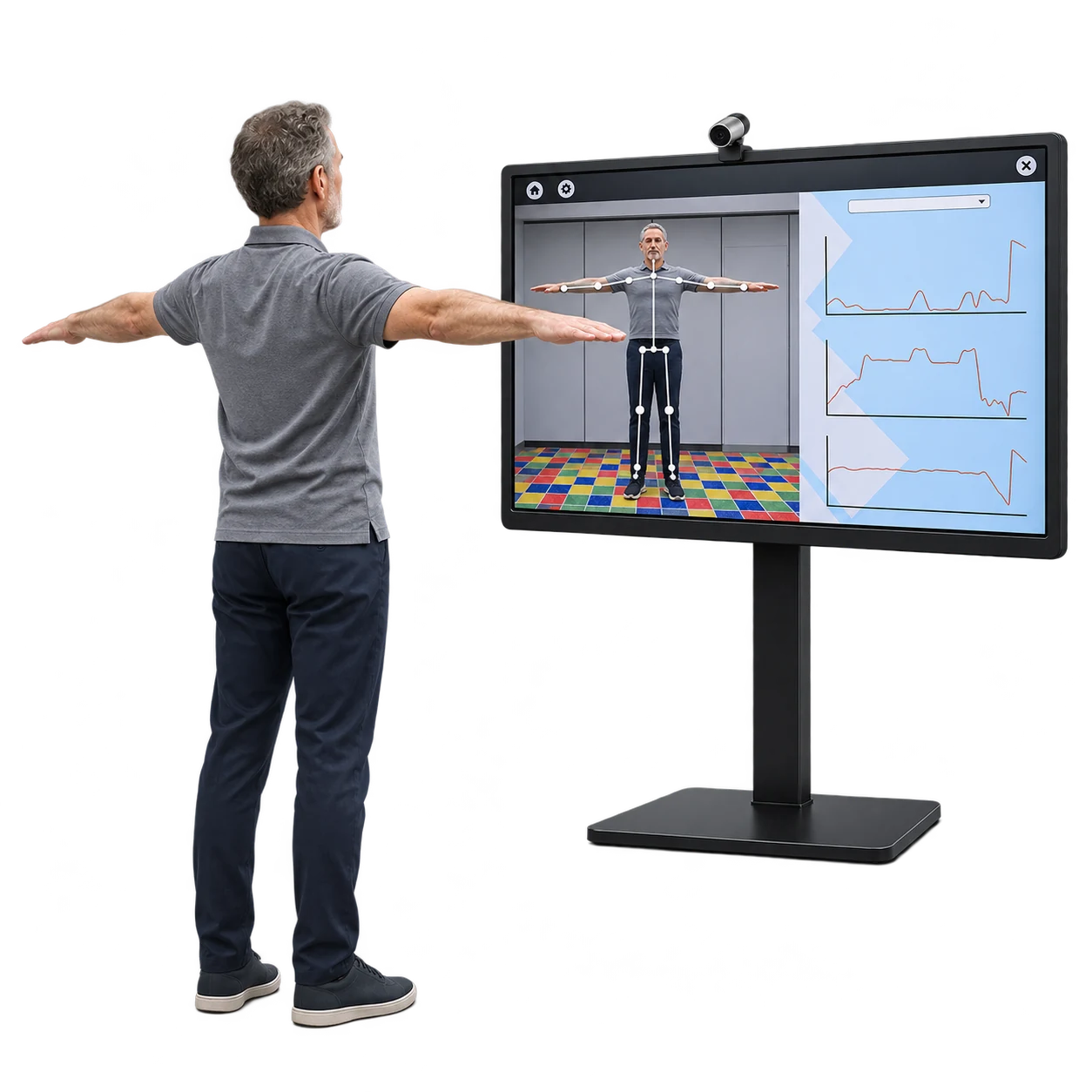
Desktop application
Cross-platform app installed on a computer that manages the sensor intelligently.
Kinect sensor
Microsoft’s advanced observation sensor to track movement.
Virtual reality
Olympic-style video-game environment for rehabilitation.
Rehabilitation module
Exercises set by the doctor or physiotherapist, with frequency and biomechanical targets.
Diagnostic module
Targets similar to those used in the neurologist’s office, with follow-up assessment from home.
Medical report
The assessment becomes a report the healthcare professional can access.
Machine learning
Machine learning models for assessment and rehabilitation.
Project lead of Neurobia Research

“In rehabilitation, the system has to track the patient’s movement accurately and also be comfortable to use. There, sensors and software shaped the design of the whole team. If we could do this, we can surely do your idea.”
Let’s talk about your project
Do you have an idea like this? Tell us about your project.
Similar prototypes
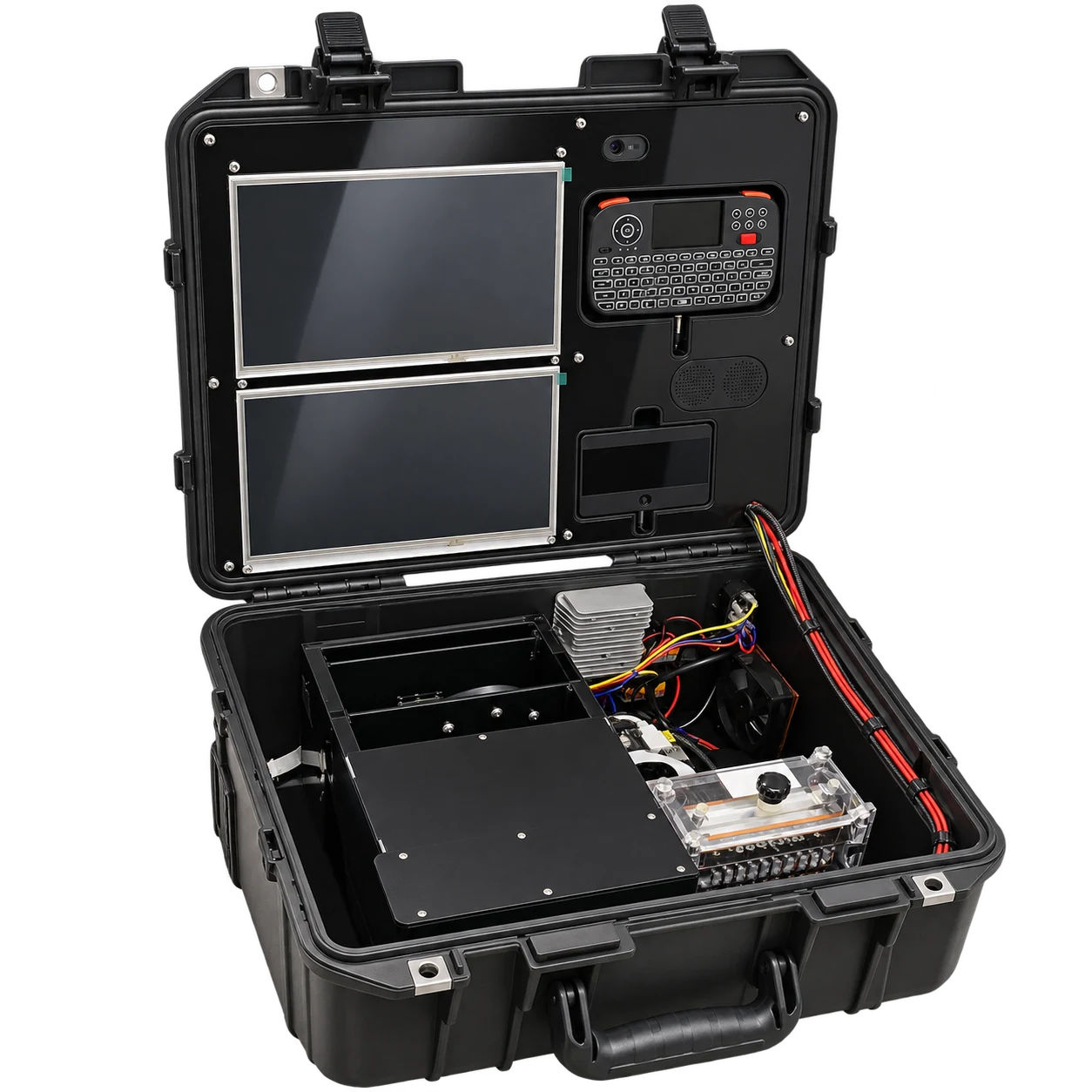 Portable PCR laboratory
PCR equipment built into a suitcase.
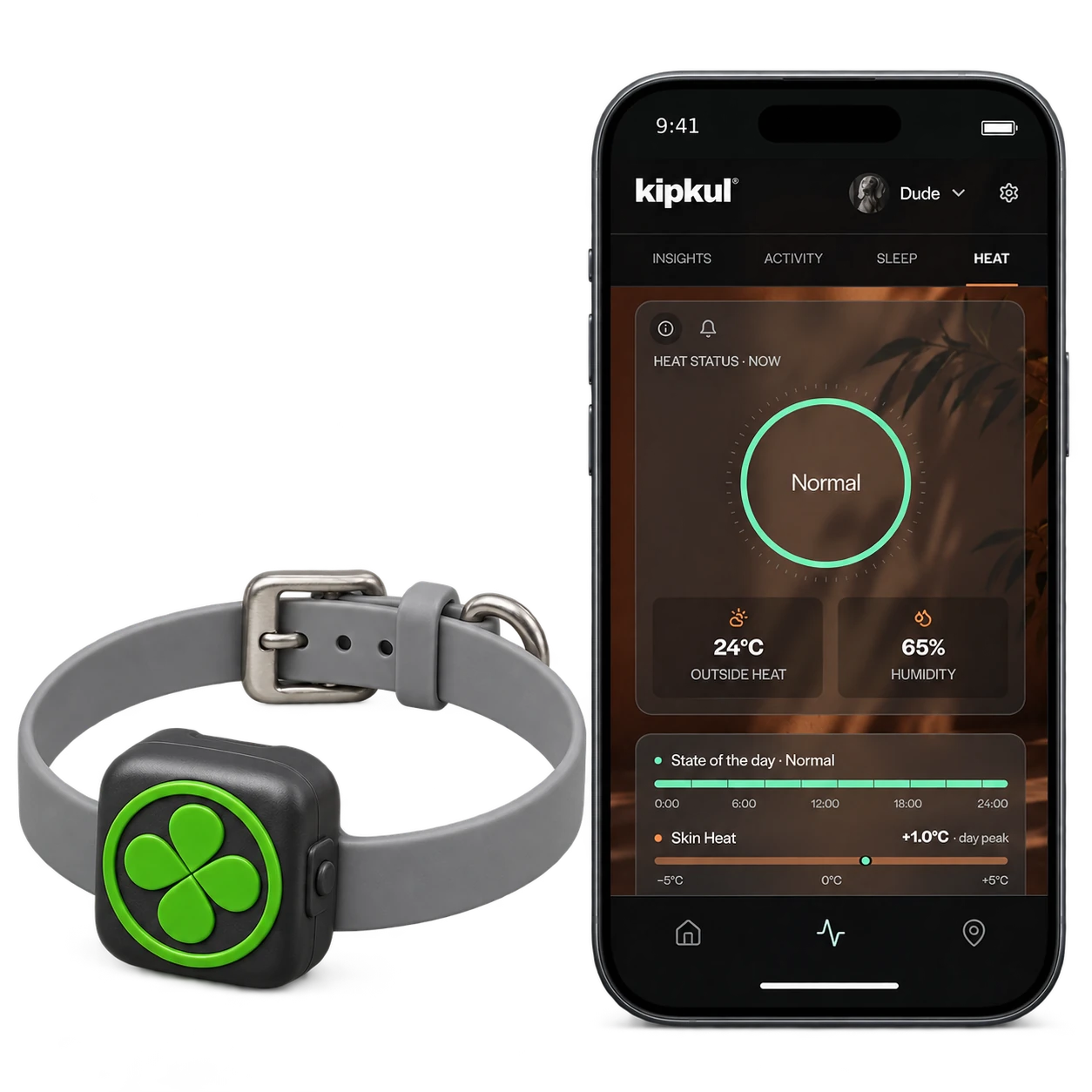 IoT-enabled thermometer for dogs.
Smart collar with an app to measure temperature.
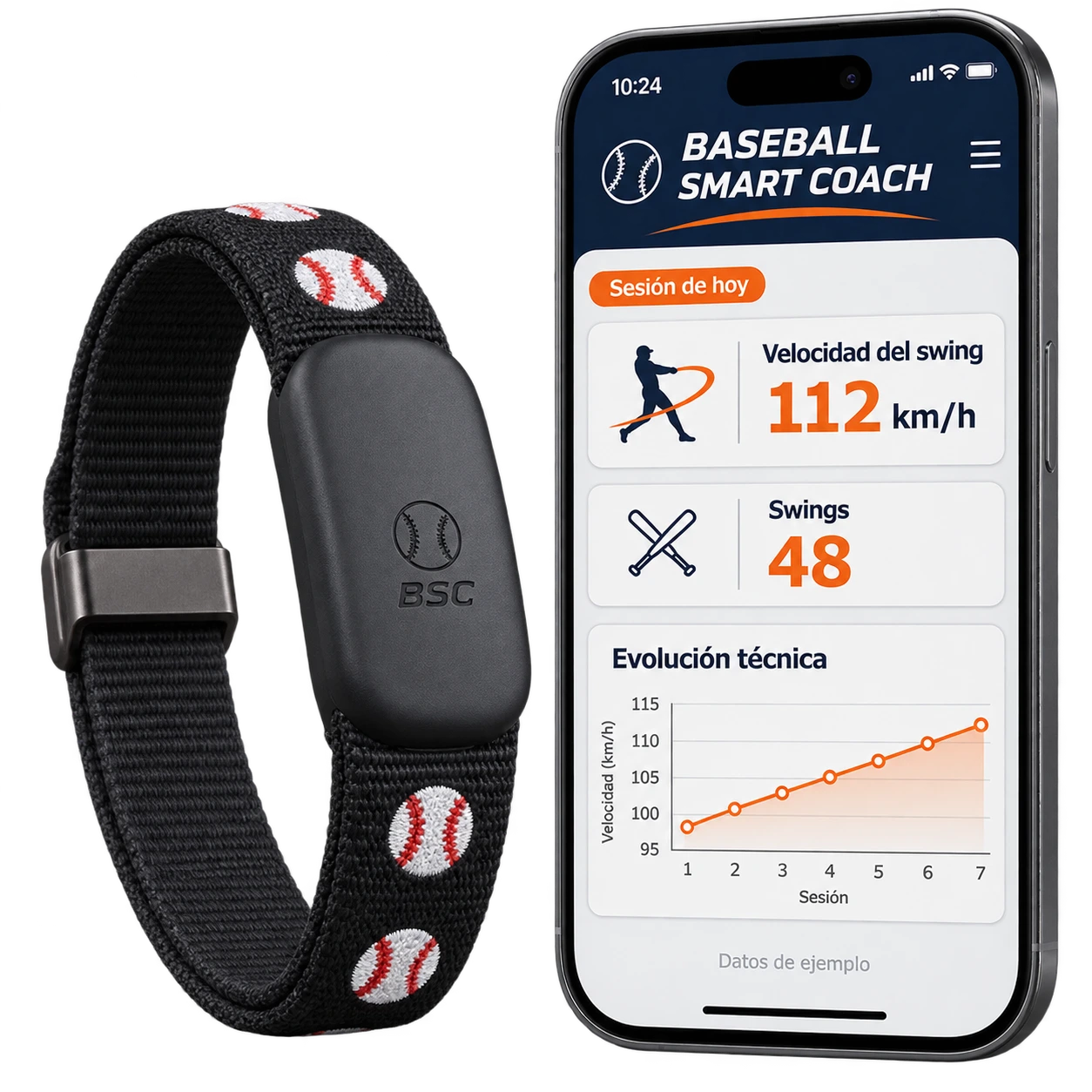 Baseball Smart Coach
Wristband with an app to analyze the baseball swing.
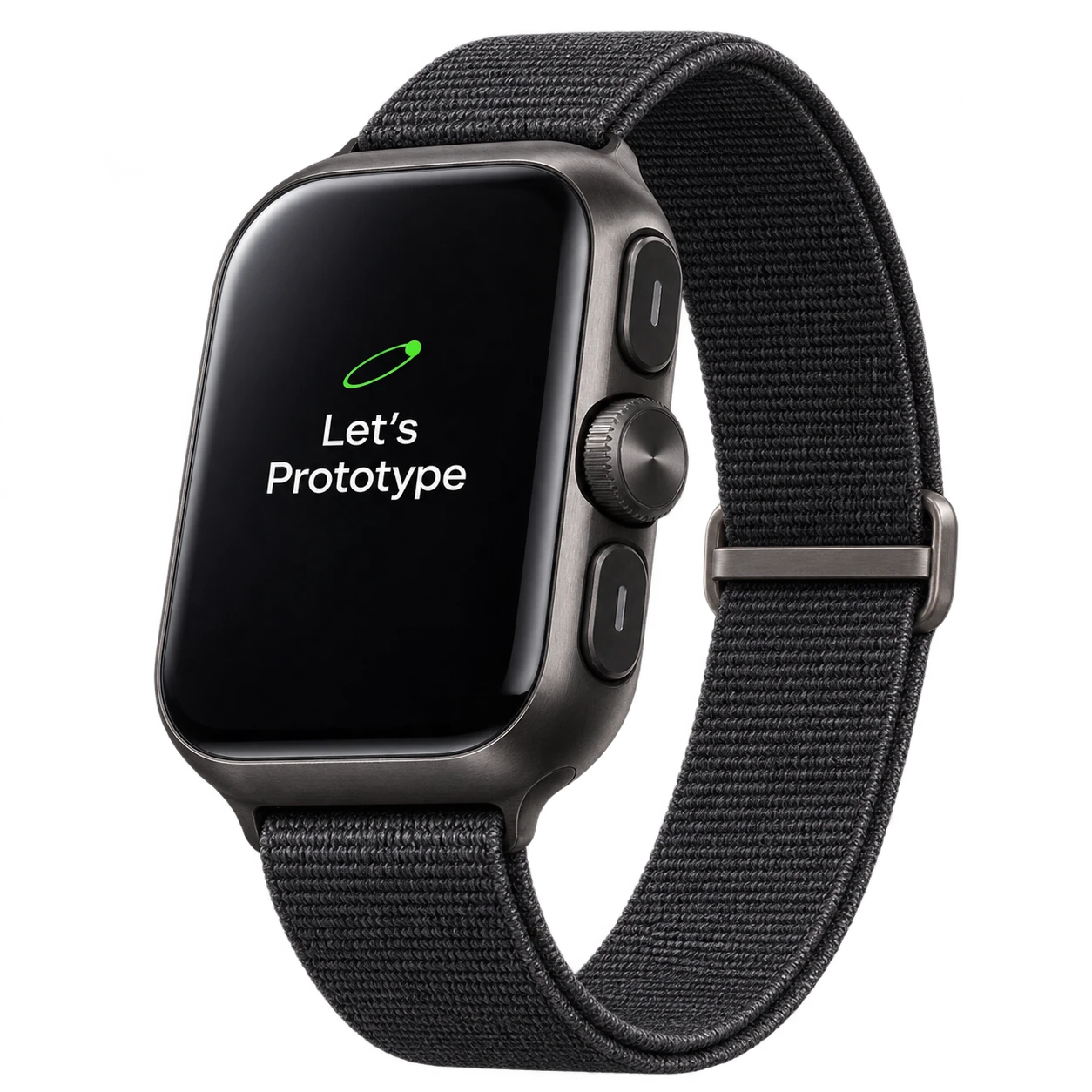 Let’s Wearable: smartwatch
Watch with a metal case and integrated electronics.
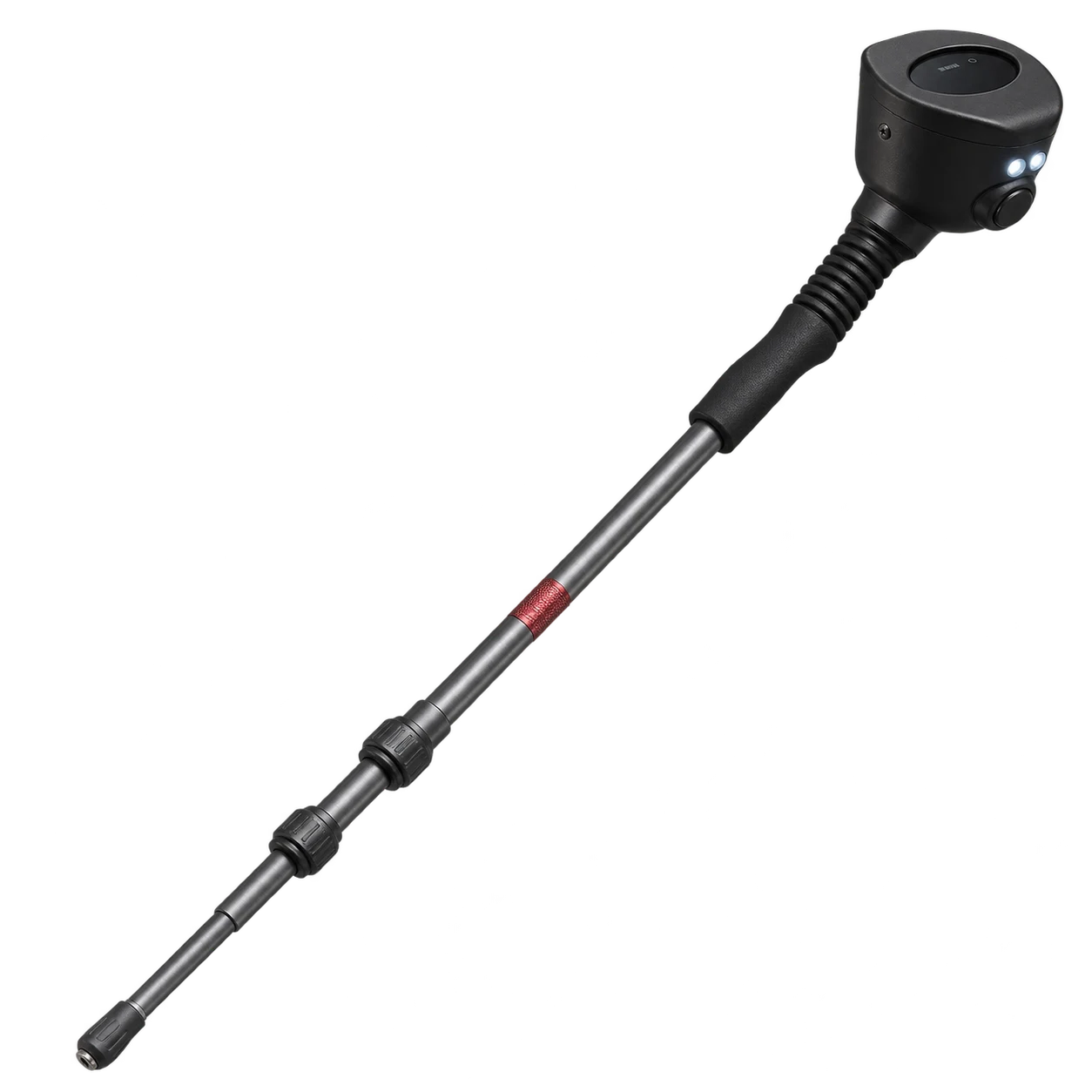 Smart to Walk: smart cane
Electronic handle with a display and lights.
 Smart IoT shelves
Shelves with built-in load sensors.